Pixy G.R.I.N. — Great Residential Interiors Network
All styles
Tropical Minimalism interior — warm wood, linen and natural light

Designed for how we live in Delhi NCR

Tropical Minimalism

The home that breathes.

Tropical Minimalism is what happens when the restraint of modern minimalism meets the lushness of the tropical landscape — adapted for how we actually live in Delhi NCR, and to a quiet desire for homes that feel as good as they look.

Where cold Scandinavian minimalism strips everything away, Tropical Minimalism fills the negative space with life: a monstera leaf catching afternoon light, the grain of a teak shelf, the soft texture of cane. The result is a home that is calm without feeling empty, and warm without feeling cluttered.

A closer look

Inside the aesthetic

The vibe

Diffused warm light through sheer linen. Low, unhurried furniture. A palm anchoring the corner. Cool stone underfoot, and the faint smell of earth. Designed for Delhi NCR's dry heat, dusty seasons and the specific quality of light in a south-facing Gurgaon apartment, a Noida flat or a Delhi townhouse.

The design language

Warm whites, cream, stone and sand as the base. Accents of botanical green, terracotta and muted coral. Teak, rattan, cane, jute, linen and stone — not synthetic substitutes. Low, clean silhouettes with rounded edges. Natural light treated as the primary design element.

The everyday reality

Honest about Delhi NCR life — that we cook, that guests stay, that we need storage. Cane baskets, built-in low cabinetry and woven ottomans with hidden storage solve daily realities without cluttering the visual field. The neutral palette is forgiving of dust; the natural materials improve with a little wear.

Light

Natural light leads. Sheer cotton or linen panels, skylights where the plan allows. Artificial light stays warm (2700–3000K) and layered — never overhead fluorescents.

Plants

Structural and intentional, not scattered. A fiddle-leaf fig in the living room. Pothos trailing from a shelf. A small palm by a bright window. Plants earn their place here — they are architecture, not decoration.

Silhouette

Low, clean lines with rounded edges. No ornate carving, no heavy legs. Sofas sit close to the ground. Shelves stay open, never heavy. The eye moves; the room breathes.

How to recognise it
  • Walls white or warm cream with no more than one textured accent wall
  • At least one structural plant (60cm+) anchoring a major space
  • Natural materials — rattan, jute, cane, teak or stone — in three or more places
  • Soft light through sheer curtains, not blackout drapes
  • Intentional negative space — surfaces deliberately uncrowded
  • Warm 2700–3000K layered lighting, never overhead fluorescents

Room-by-room

Tropical Minimalism across every space

Tropical Minimalism living room in an Indian home

01 · Room

Living Room

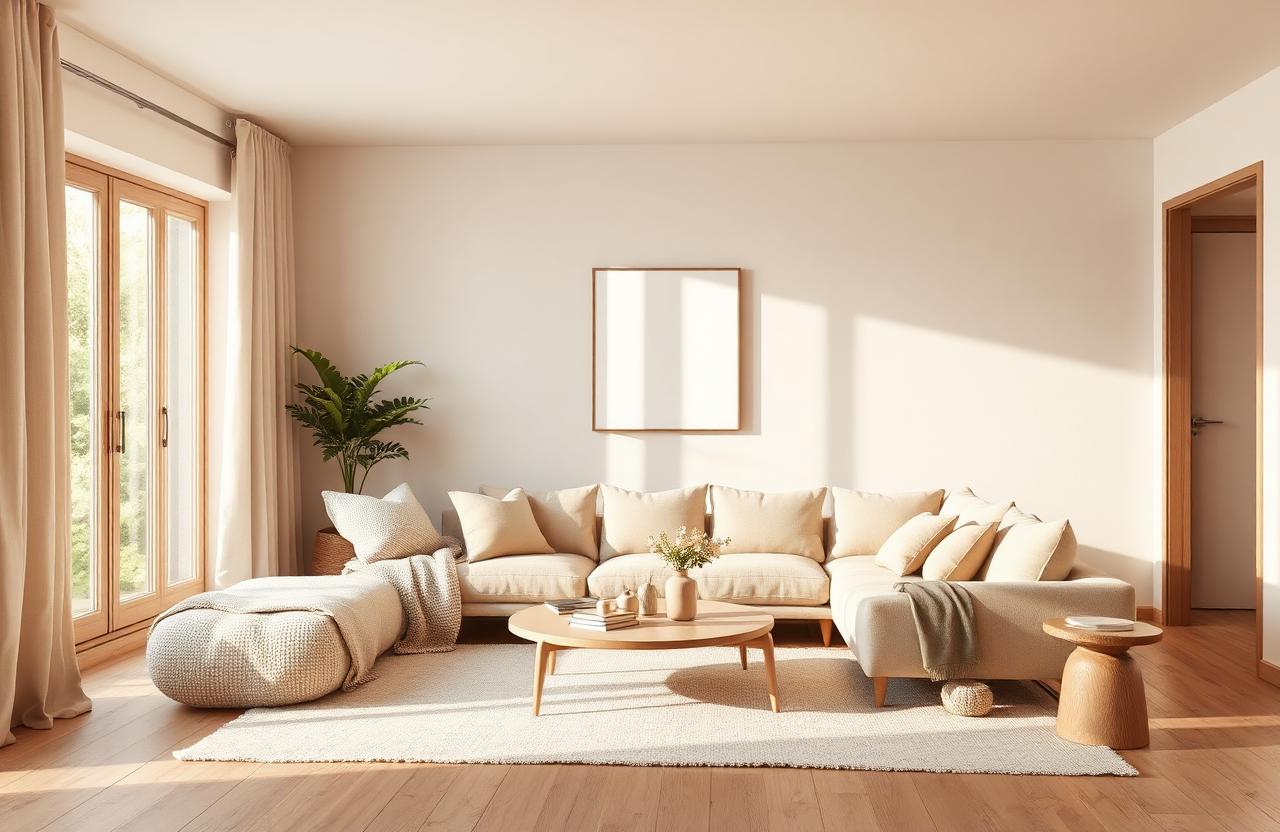
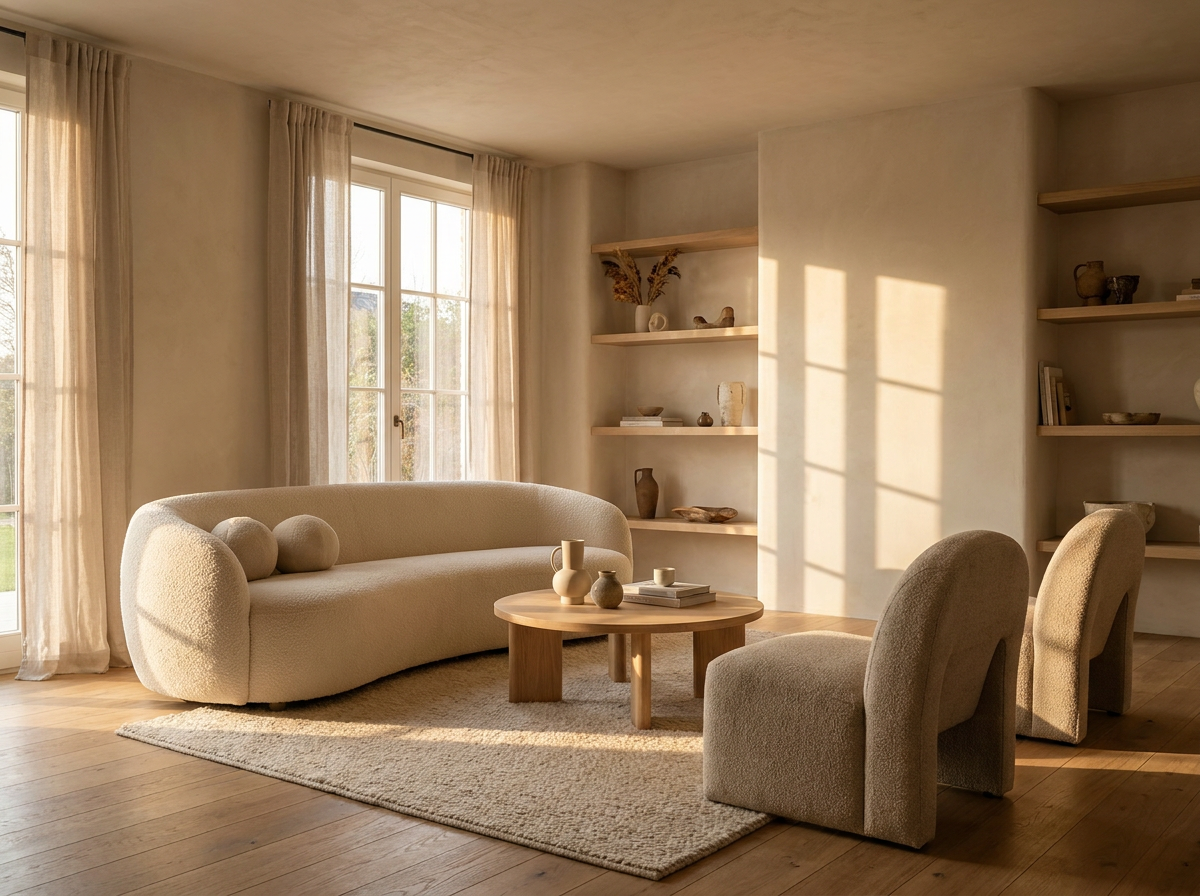
Built around conversation and ease, not a television wall. A low modular sofa in cream or warm grey linen, a bleached teak coffee table, and a bird-of-paradise anchoring the corner. Stone or large-format ivory tile underfoot, a jute rug grounding the seating, and a built-in cane-fronted cabinet hiding the clutter along one wall.
Tropical Minimalism dining room in an Indian home

02 · Room

Dining Room

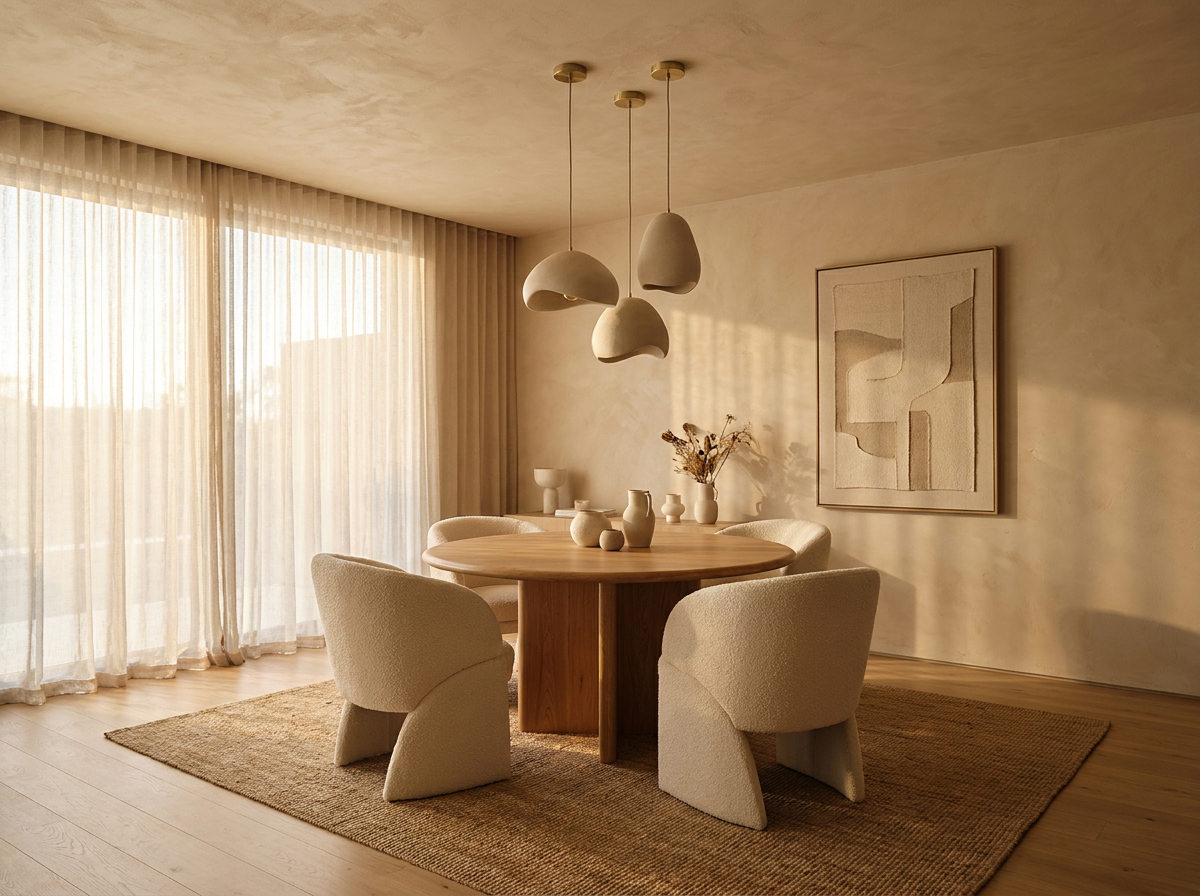
Teak or mango wood table on slim legs, rattan or lightly upholstered chairs, and a single woven bamboo pendant diffusing warm light. Works best when it borrows space from the kitchen and living area — open, airy, framed by one large plant or a trail of greenery overhead.

Tropical Minimalism master bedroom in an Indian home

03 · Room

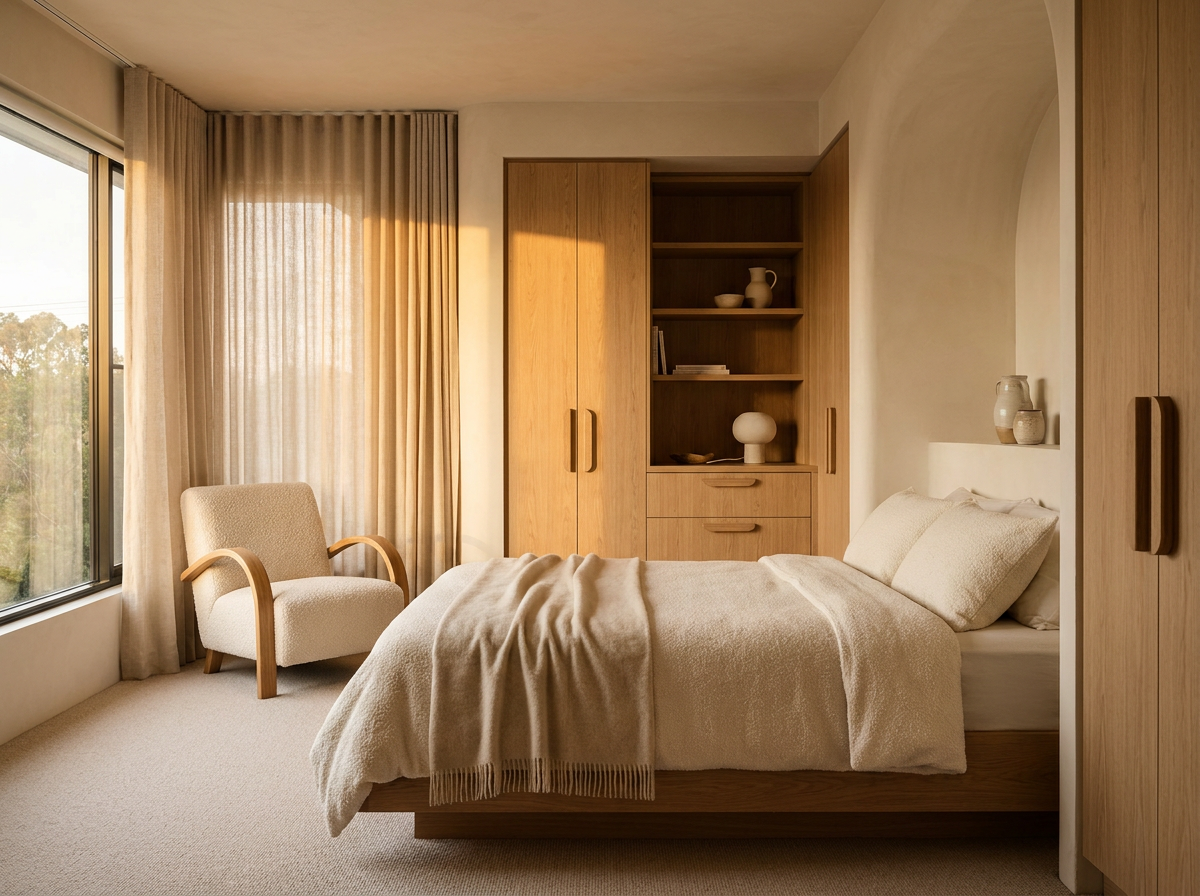
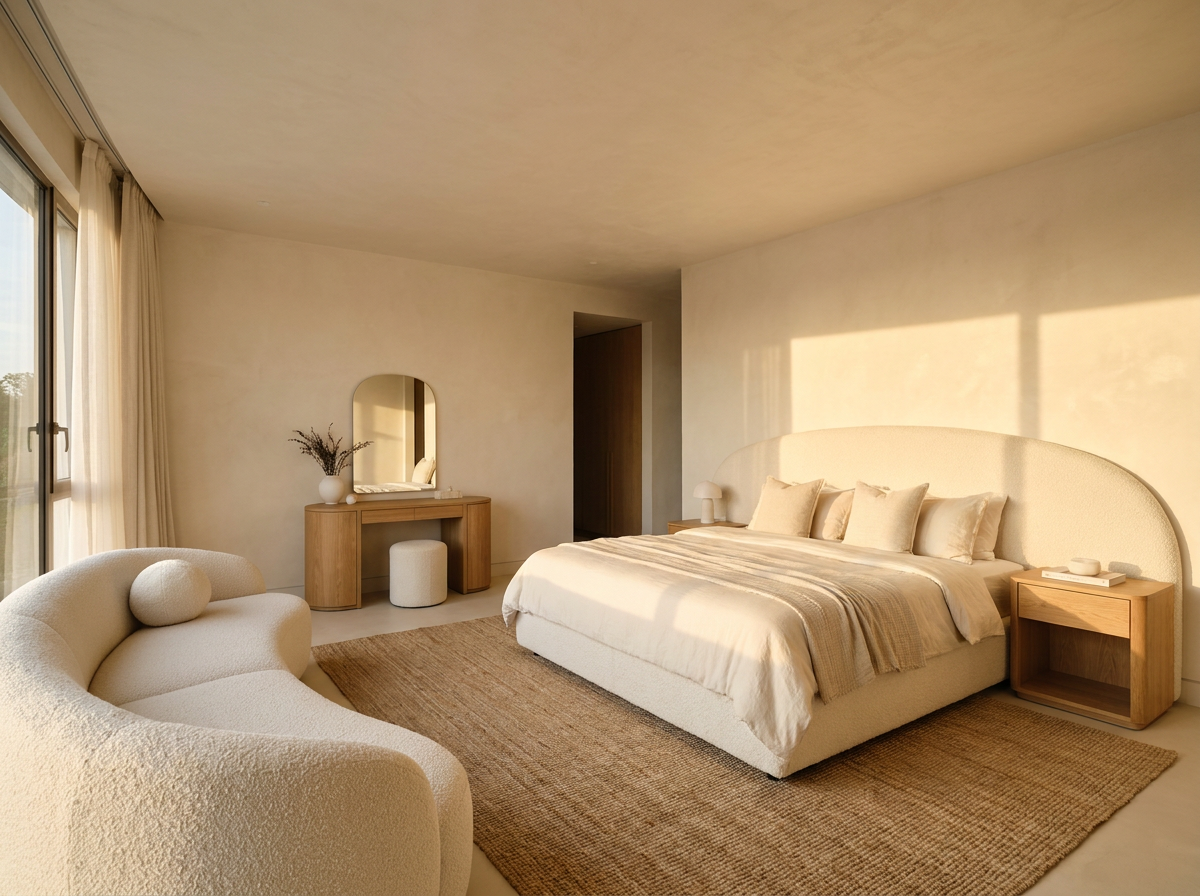
Master Bedroom

A low platform bed in teak or whitewashed wood, linen bedding in cream and sage, a rattan tray on a stool as a bedside. Sheer cotton panels filter morning light; a tone-darker linen layer handles privacy without the weight of blackout drapes. One monstera or rubber plant by the window — that is all the bedroom needs.

Tropical Minimalism kids room in an Indian home

04 · Room

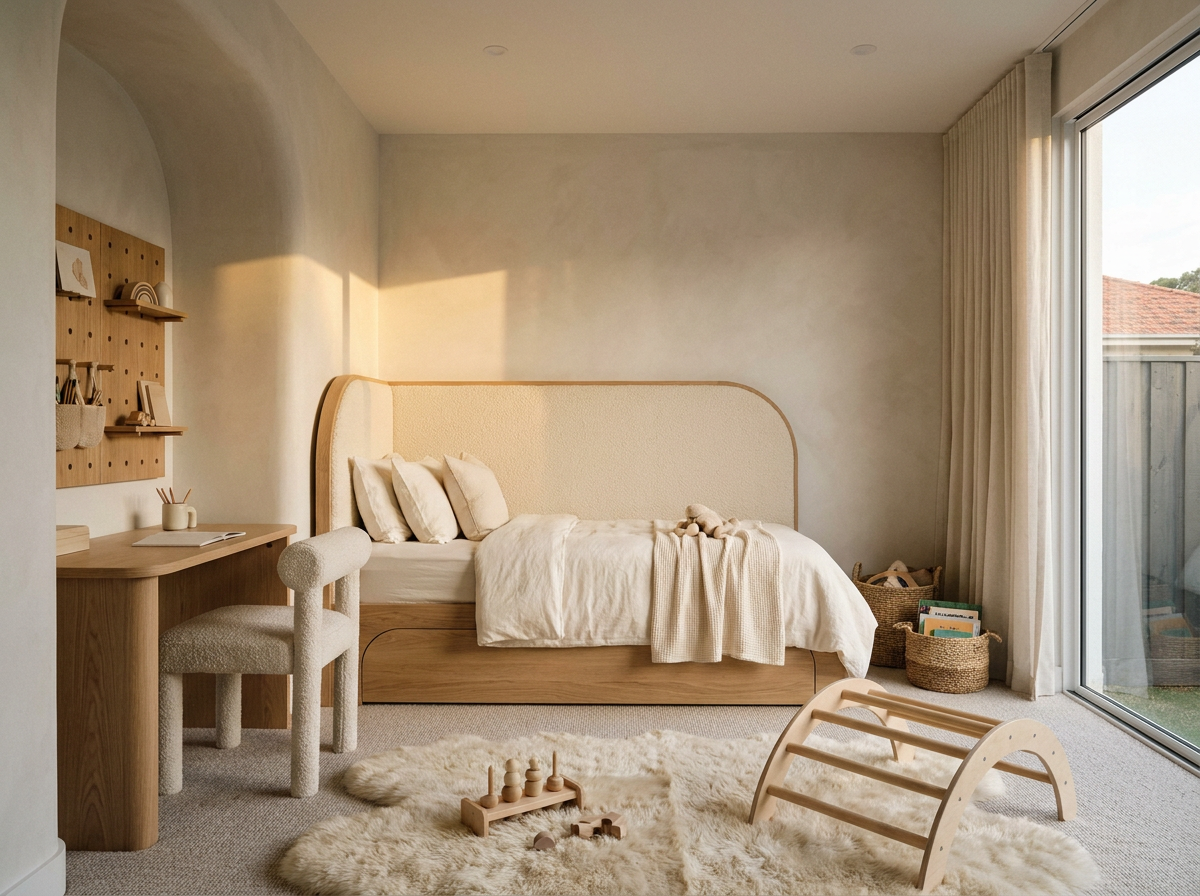
Kids Room

A floor bed or low mid-sleeper in solid wood, a natural latex mattress, a jute rug in a simple geometric pattern and a cane bookshelf at child height. The accent colour is pulled from nature — terracotta, dusty green, soft yellow — so the room evolves with the child through cushions and art, not a full repaint.

Tropical Minimalism parents room in an Indian home

05 · Room

Parents Room

Dark teak against cream linen for a quietly luxurious retreat. A single large botanical or earth-tone artwork on one wall, and bedside pendant lights on long cords replacing table lamps — keeping every surface clean and the room calm.

Tropical Minimalism study room in an Indian home

06 · Room

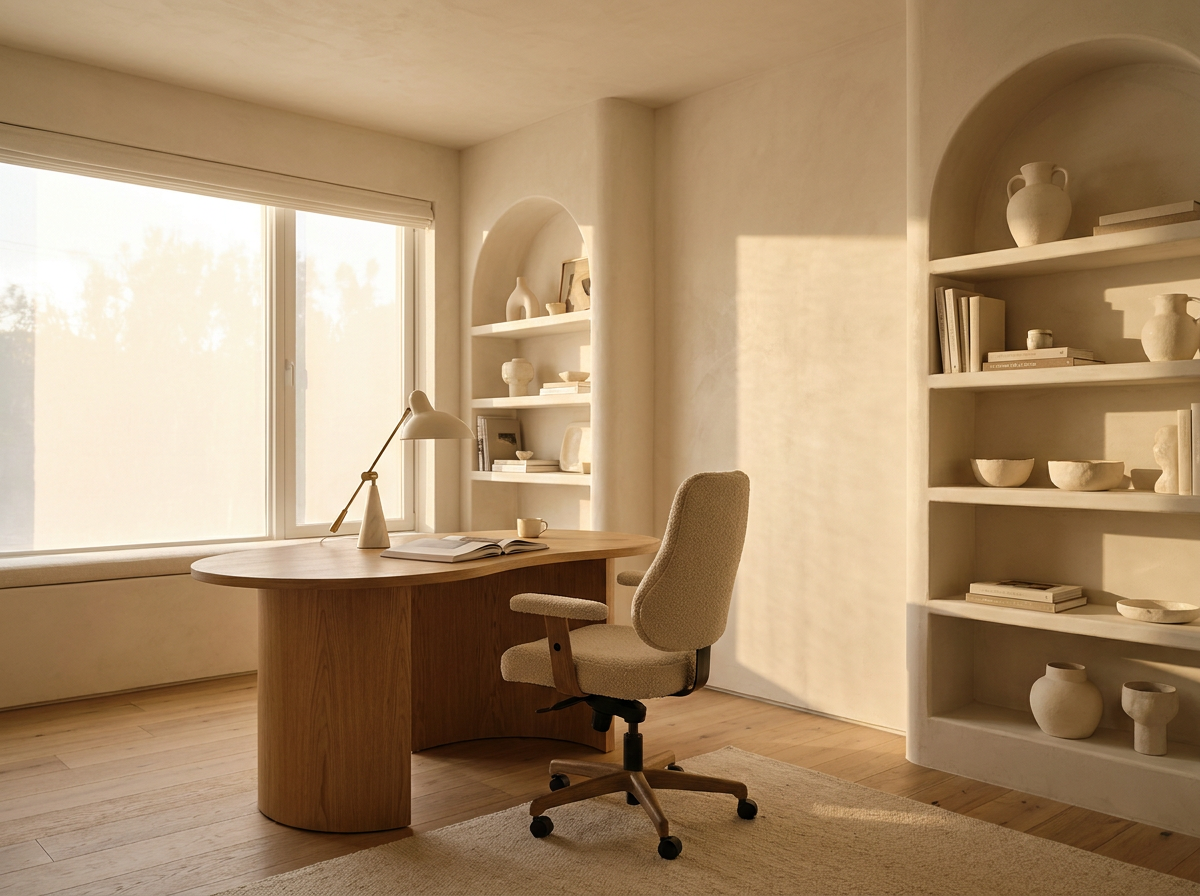
Study Room

A solid teak or sheesham desk set 90° to the main window so the light is directly productive. A rattan task chair with a low back, open wooden shelves for books and plants, and a trailing pothos at the desk's edge. Cable management is built in, not improvised.

Tropical Minimalism wash room in an Indian home

07 · Room

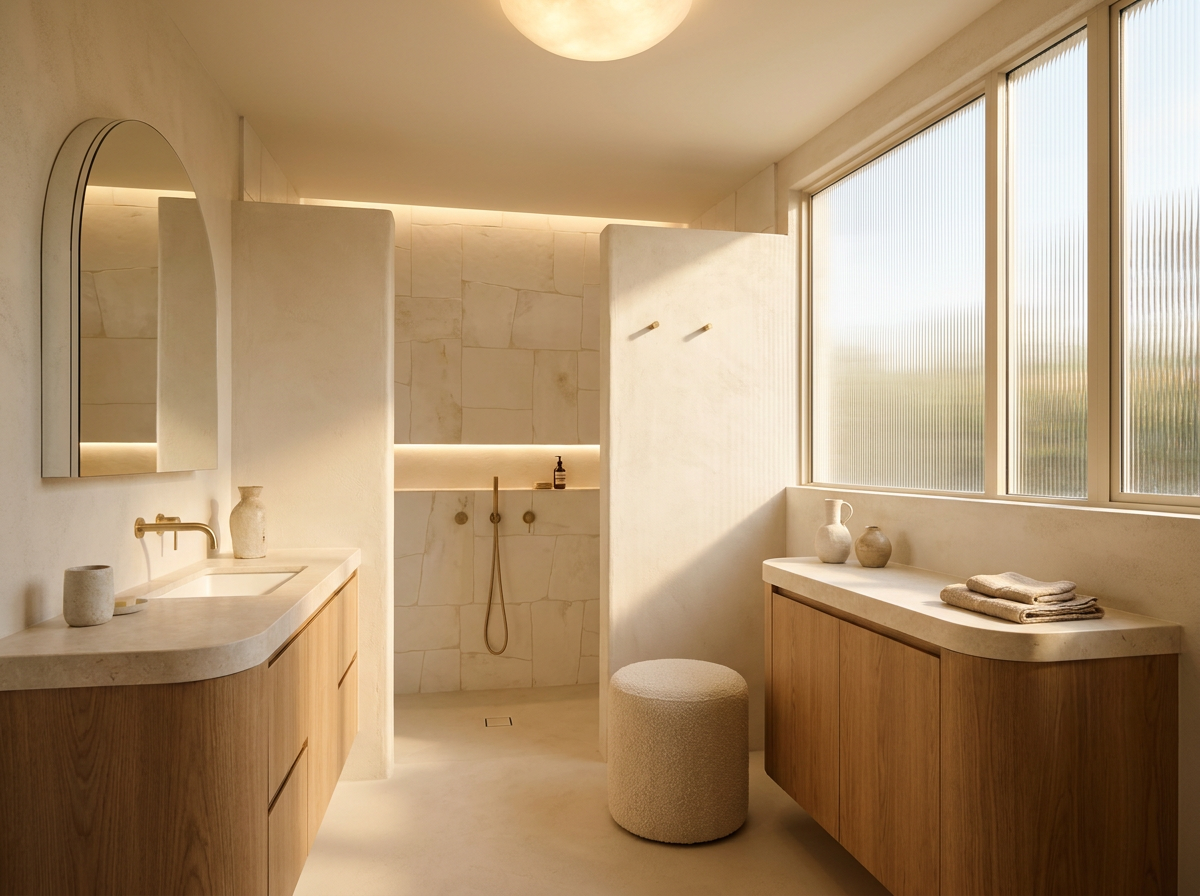
Wash Room

Terrazzo or natural stone floors, warm limewash or cream subway-tiled walls, a wooden vanity with a white ceramic basin. Brass or gunmetal fixtures — never chrome. A pothos or peace lily by the window thrives in the humidity.

Tropical Minimalism balcony in an Indian home

08 · Room

Balcony

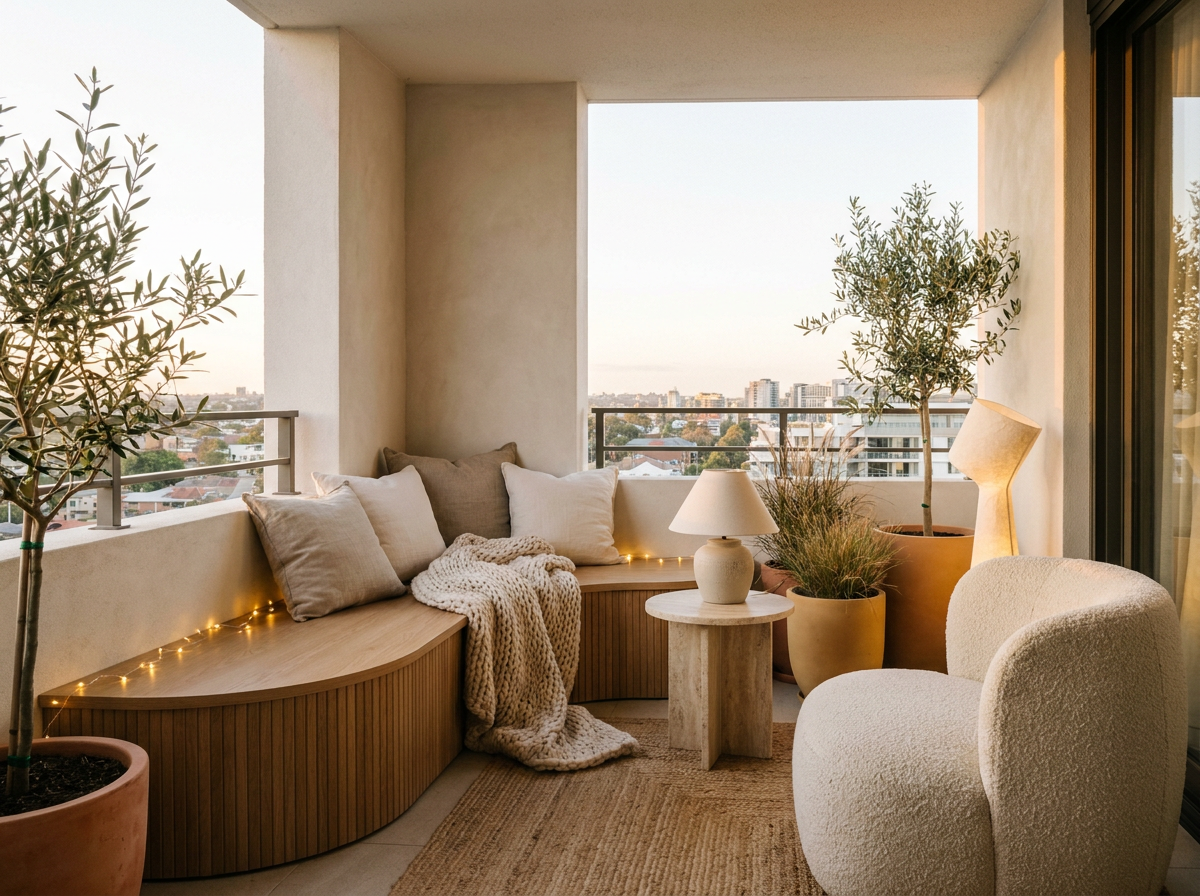
Bamboo or composite decking, two low rattan chairs and a small side table. Varying-height plants — palm, trailing pothos over the railing, a small banana if there's room. String lights or a single lantern for evenings. The balcony is a room, not a storage space.

Every space is tailored to your home, your light and how you actually live.

One way to think about your home

Tropical Minimalism resonates with households who want calm without emptiness, and warmth without clutter. If it speaks to something you've been trying to articulate about your own space — that's useful information to bring into a discovery call.

If it doesn't quite fit, browse the other styles on the site. Or skip them entirely and just tell us what you want your home to feel like. That's what the discovery call is for.

Not sure which style is yours?

The G.R.I.N. Process begins with a conversation — not a questionnaire.

We talk about how you actually use your home, what you want to feel when you walk in the door, and what has and hasn't worked in spaces you have lived in before. From there, we recommend a direction — Tropical Minimalism, a blend, or something else entirely.

Frequently asked

Tropical Minimalism, answered

Is Tropical Minimalism expensive to execute?

It doesn't have to be. The aesthetic favours natural materials over luxury finishes — rattan, jute and solid wood cost significantly less than marble and imported fixtures. The investment tends to go into quality furniture pieces and good lighting, both of which last decades.

Can Tropical Minimalism work in a small apartment?

Yes — it is one of the strongest aesthetics for compact homes. Low furniture silhouettes, a light colour palette and intentional negative space all make rooms feel larger. A single well-chosen plant does more for a small room than a shelf of decor objects.

Does this aesthetic require a lot of plant maintenance?

Not if the plants are chosen well. Monstera, pothos, snake plant, rubber fig and ZZ plant are low-maintenance and thrive in typical Indian apartment light conditions.

How does Tropical Minimalism handle Indian storage needs?

Deliberately. Built-in cane-fronted cabinets, woven baskets and low storage benches are part of the vocabulary. Storage is designed in from the start, not added as an afterthought.

Will Tropical Minimalism feel dated in five years?

The natural material palette and neutral colour base are as close to timeless as interior design gets. Trends move around this aesthetic, not through it.

WhatsApp Call