- Colour palette
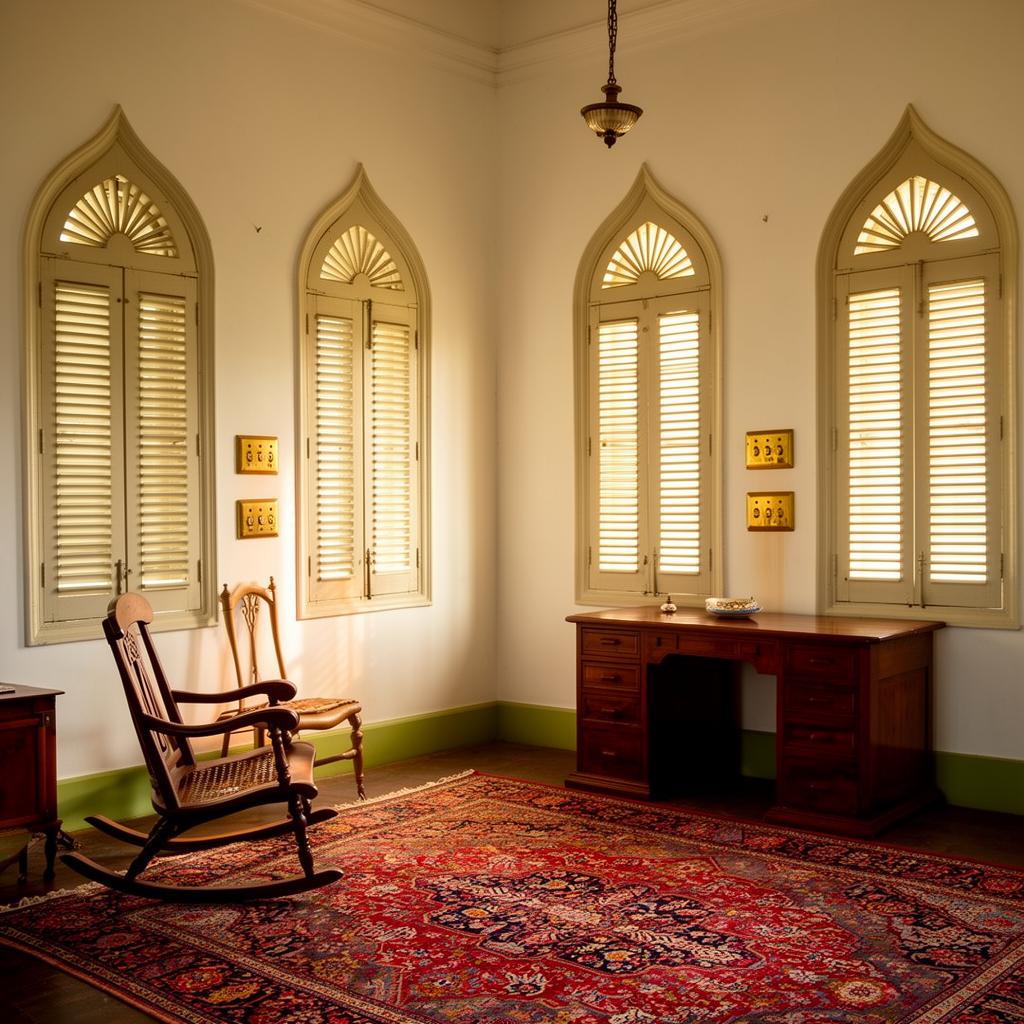
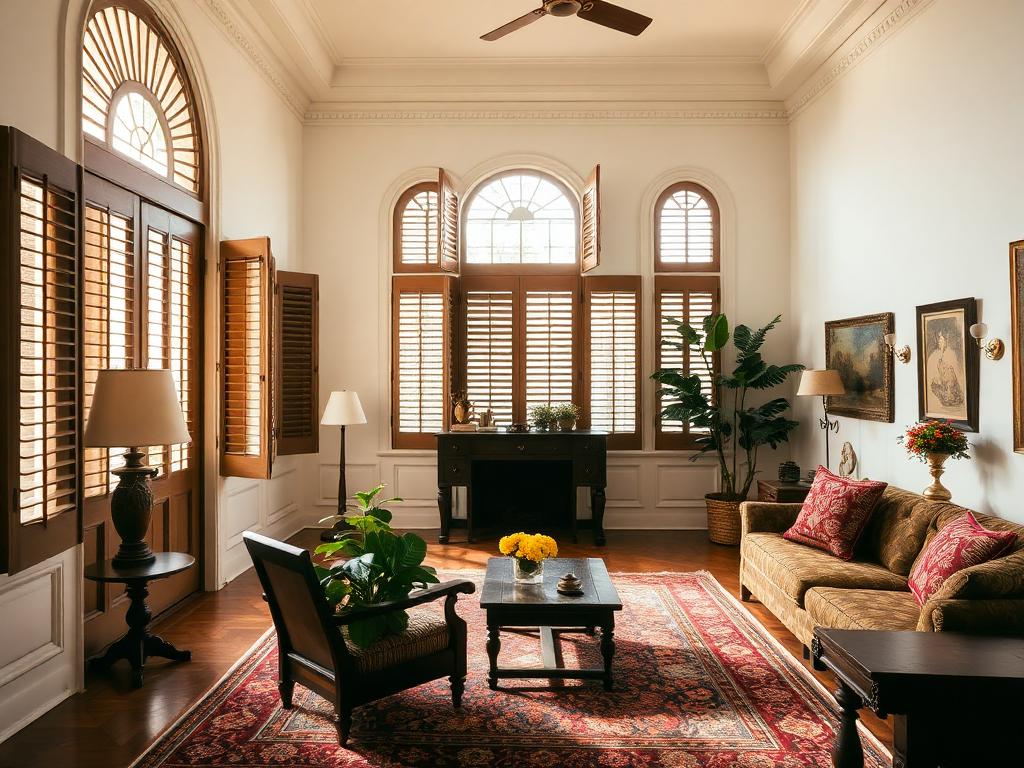
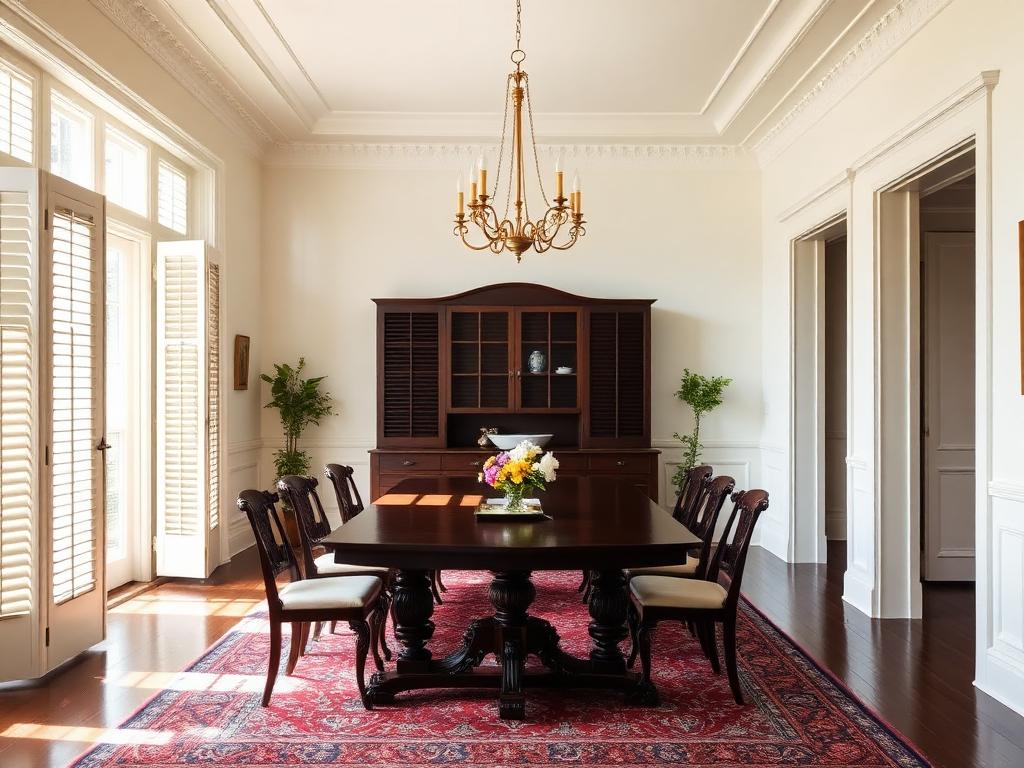
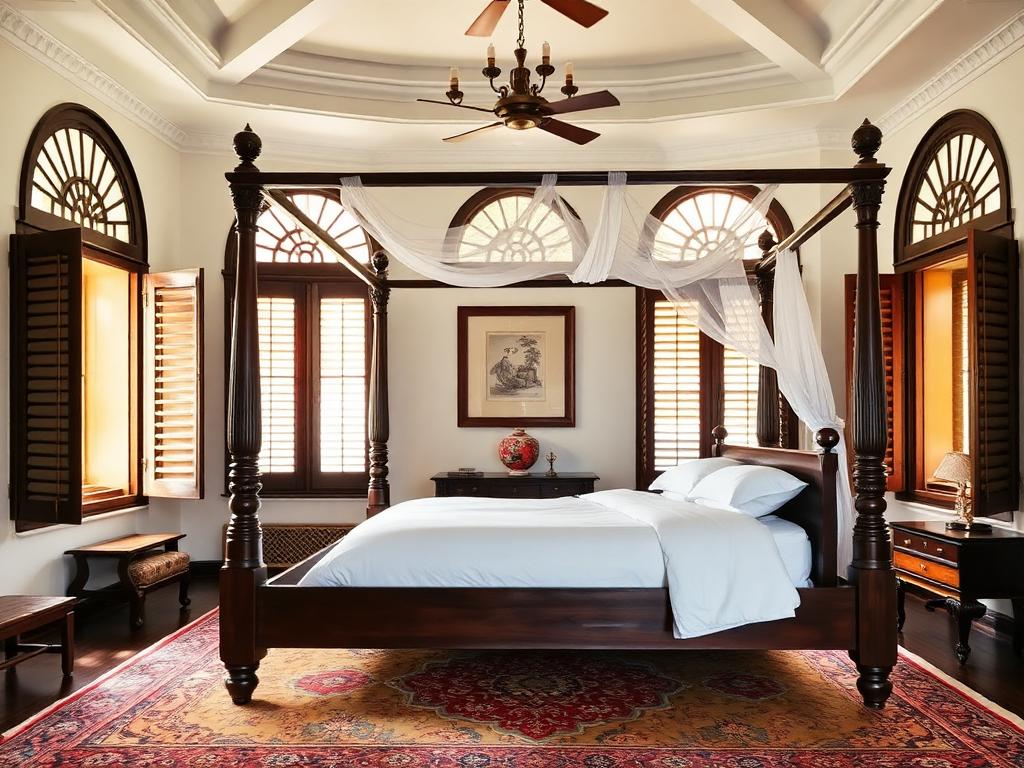
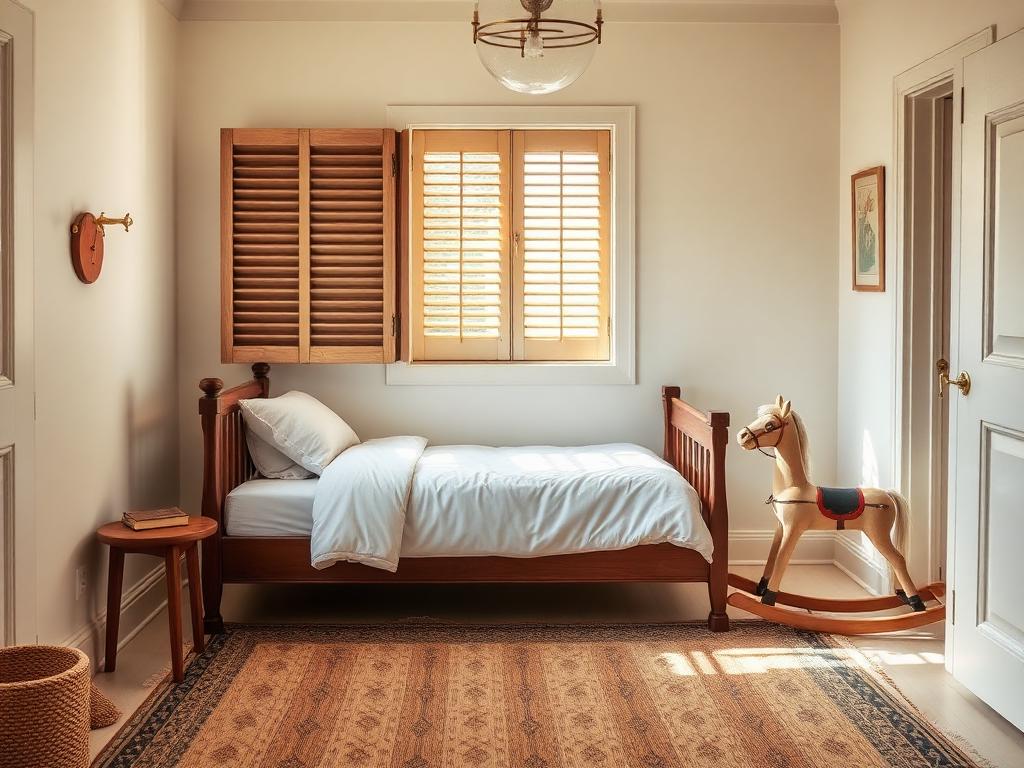
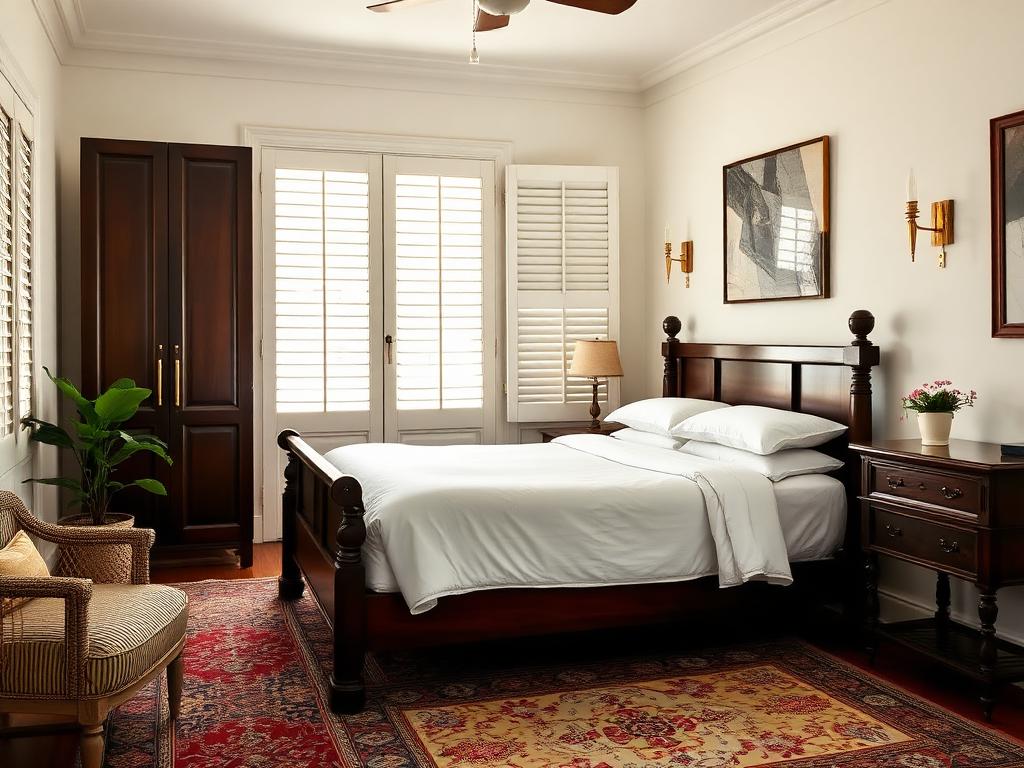
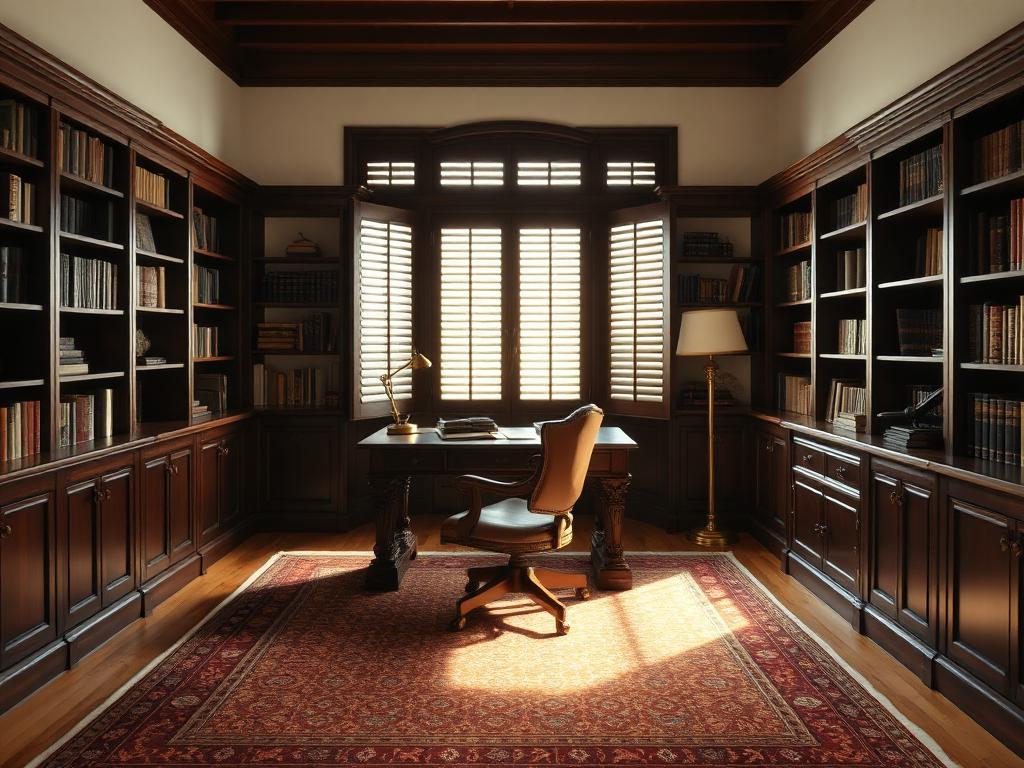
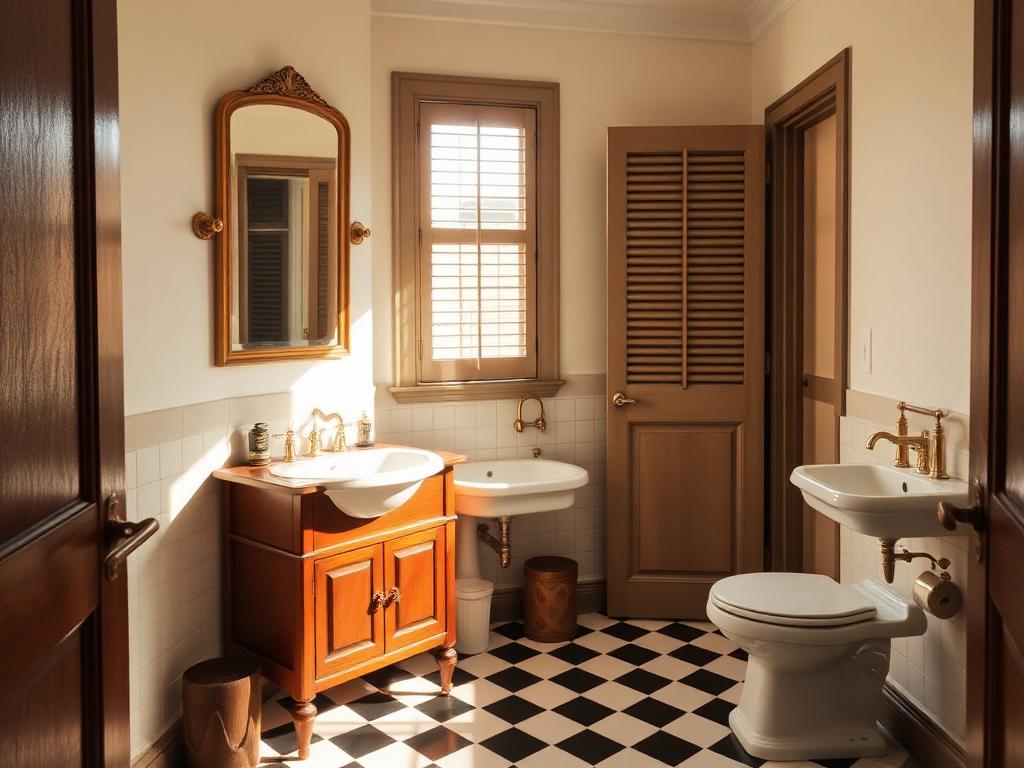
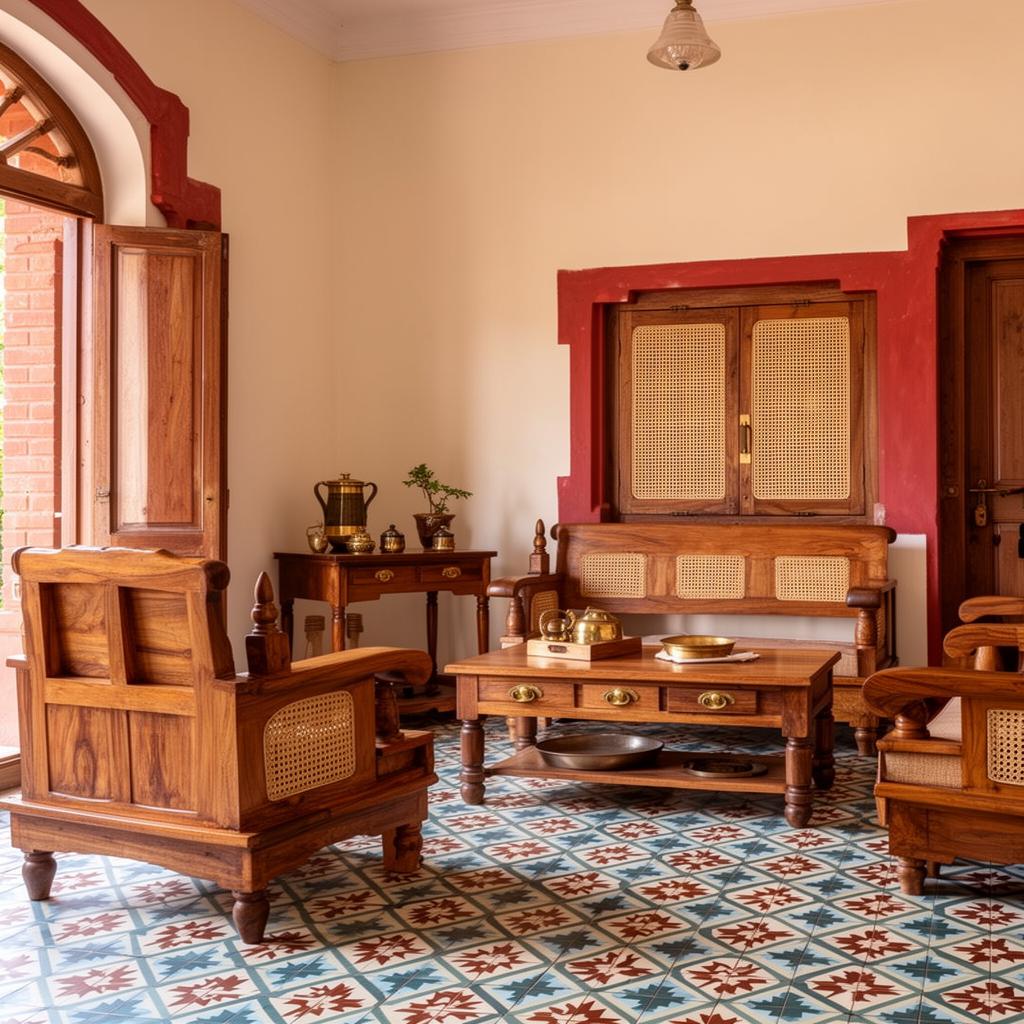
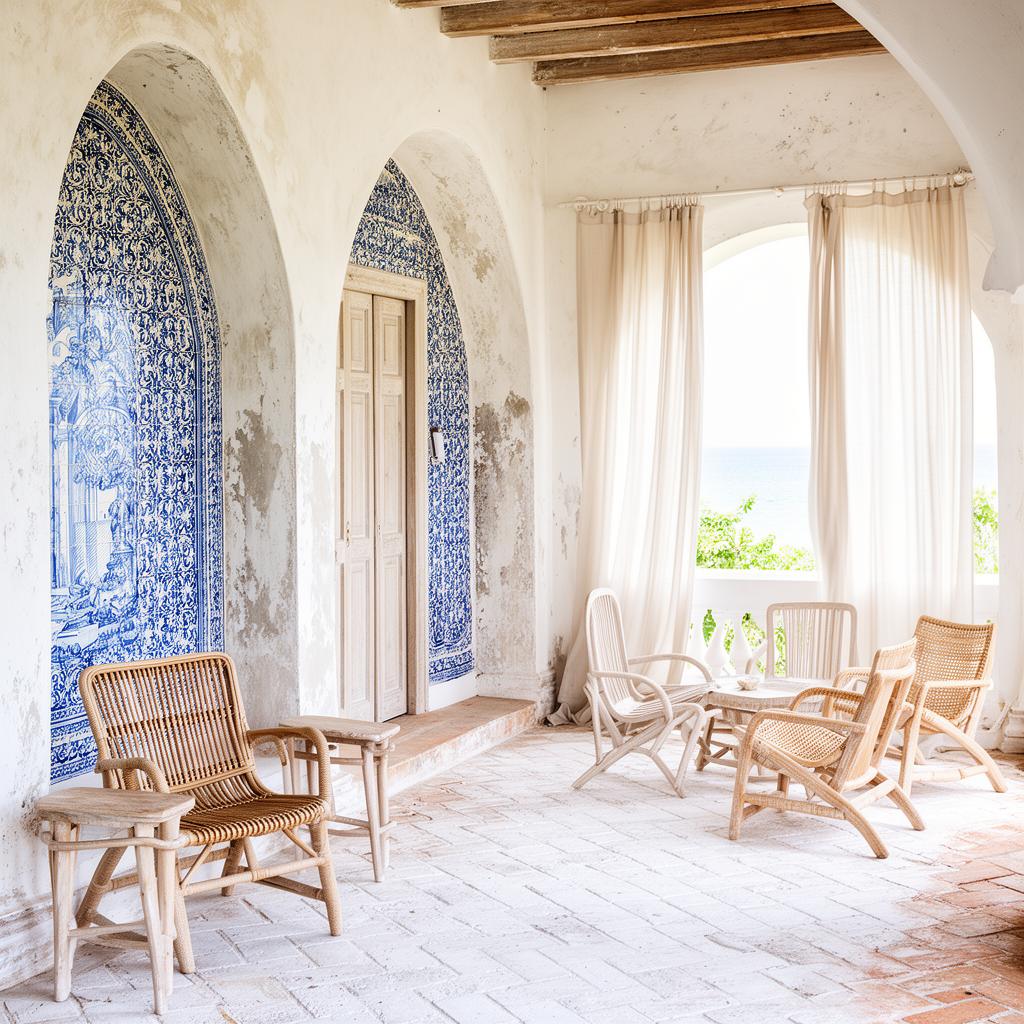
- Crisp lime white on the walls — not brilliant white, but the particular warm white of lime wash or distemper finish. Dark rosewood, teak, and mahogany in the furniture. Brass in all metal fittings. Deep green plants that provide the only strong colour. The palette is high-contrast and restrained.
- Materials
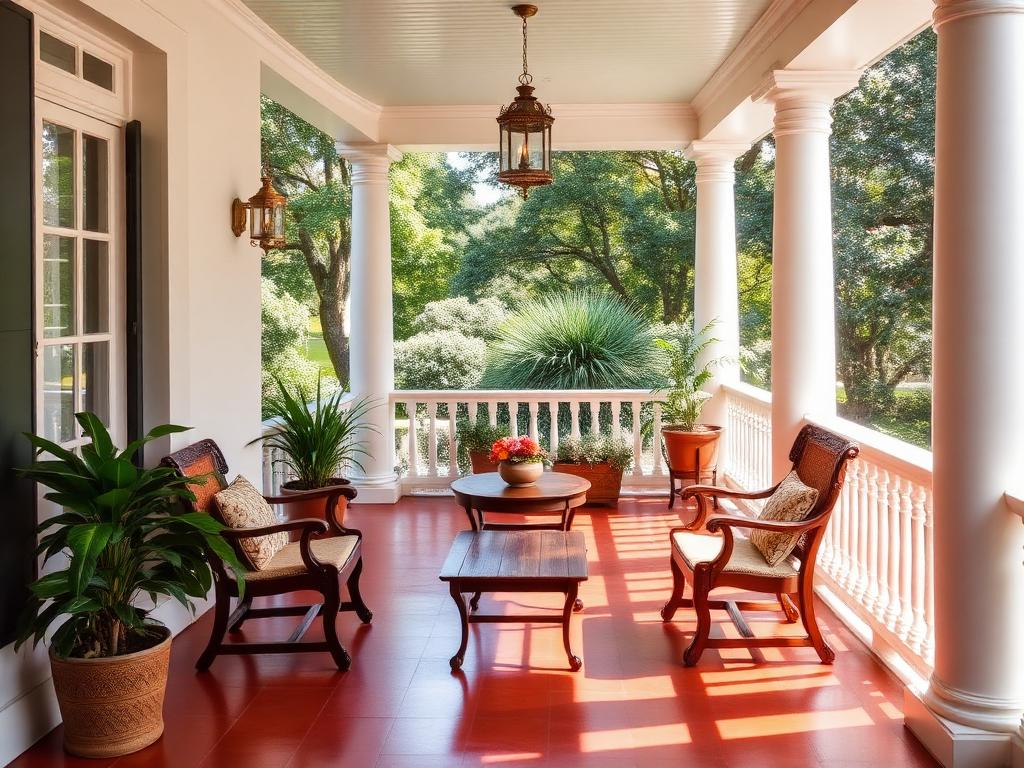
- Monkey-top windows and tall louvred shutters — the defining architectural elements of colonial residential architecture, retained or recreated where possible. Planter's chairs and Bombay fornicator chairs in dark timber with rattan or cane seats. Dark rosewood or sheesham in the major furniture pieces. Layered dhurries and Persian-style rugs underfoot. Brass switch plates, door pulls, and hardware throughout.
- Verandah logic
- Colonial Bungalow homes are organised around the logic of the verandah — the transitional space between inside and outside that provides shade, cross-ventilation, and a place to sit that is neither fully interior nor exterior. In a Delhi flat, this logic is applied to the balcony, to covered sitting areas within large rooms, and to the relationship between rooms and their windows.
- Engineered for today
- The original colonial bungalow had servants to maintain it, no air conditioning to integrate, and no cable management to conceal. The contemporary version uses engineered hardwood where original solid timber joinery is unavailable, motorised blinds behind solid teak shutters, and careful cable management to keep the clean lines of the aesthetic intact.