Pixy G.R.I.N. — Great Residential Interiors Network
All styles
Urban Compact Living signature interior

Designed for how we live in Delhi NCR

Urban Compact Living

Designed for the city flat.

The 2BHK in Noida Extension. The studio in Dwarka. The builder-floor bedroom in Pitampura that also needs to be a home office. The Gurgaon flat where the living room, dining room, and study are the same room at different times of day.

Urban Compact Living is the design language built for these realities. Not a compromise — a discipline. The constraint of a smaller floor area, taken seriously from the first design decision, produces homes that are calmer, more functional, and more considered than many larger ones.

A closer look

Inside the aesthetic

Calm, considered, and quietly clever — every square foot earning its place.

The vibe

The immediate quality of a well-executed Urban Compact Living interior is spaciousness. Not actual spaciousness — the floor area is what it is — but the perception of space that comes from visual quiet, a tight tonal palette, and furniture that does not crowd the floor plane. A room where everything is built in and nothing is left loose reads as significantly larger than its dimensions suggest.

The design language
Colour palette
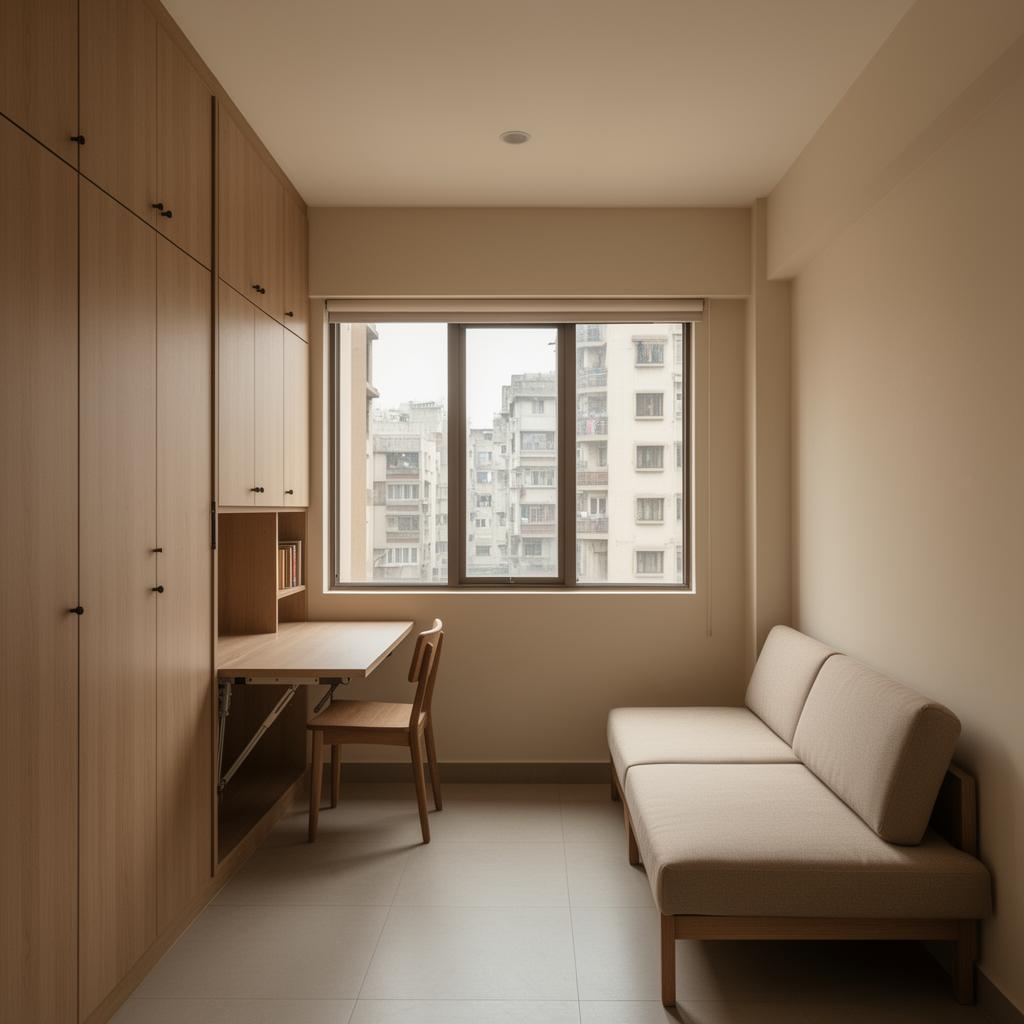
Tight and tonal — warm white or light greige as the base, with all joinery, walls, and ceiling in the same or closely related tones. The effect is to remove the visual boundaries within the room: wall and wardrobe become the same plane, which the eye reads as continuous space rather than a sequence of separate surfaces.
Built-in joinery as the primary move
Every storage requirement — clothes, kitchen, books, media equipment, study materials — is resolved through built-in joinery before any loose furniture is placed. The floor area that remains after the joinery is complete is the actual living space, and it is kept as clear as possible.
Fold-away and multi-use surfaces
Swing-out study desks that fold flat against the wall. Dining tops that extend from kitchen cabinetry. Convertible sofa-cum-guest beds that read as sofas during the day and beds at night without looking like either is a compromise. These are not novelty items — they are the practical resolution of fitting more functions into less space.
Modular seating
A modular sofa — in sections that can be reconfigured — provides the flexibility to adapt the living space to different uses: entertainment, work, a guest sleeping on the day bed section. The sofa is upholstered in the same tonal palette as the walls and joinery, so it visually recedes rather than anchoring the room.
The everyday reality

The three problems of a compact Delhi NCR flat are storage, ventilation, and visiting family. Urban Compact Living is specifically engineered to address all three.

Storage: wall-to-wall closed storage in the tight tonal palette — wardrobes, kitchen cabinetry, media units, study storage — eliminates visual clutter without requiring domestic discipline. Everything has a place; the place is built in; the surface of the room stays clear by design.

Ventilation: low furniture — sofas, beds, and tables kept as close to the ground as the design allows — keeps the upper air volume of the room free, which improves natural air circulation in a compact space. Ceiling fans are more effective when the room's contents are low.

Visiting family: a convertible guest bed — a sofa section that extends, or a wall bed behind a full-height wardrobe panel — provides a proper sleeping surface for guests without occupying permanent floor space. The guest bed is not visible when not in use.

How to recognise it
  • Storage that is wall-to-wall, built-in, and closed
  • Fold-away or multi-use surfaces — a desk that folds, a dining top that extends
  • A tight tonal palette — walls, joinery, and ceiling in the same or closely related tones
  • Loose furniture kept to a minimum — modular sofa, one or two occasional chairs
  • A floor plane as clear as possible — no furniture legs where a built-in base or platform can serve

Room-by-room

Urban Compact Living across every space

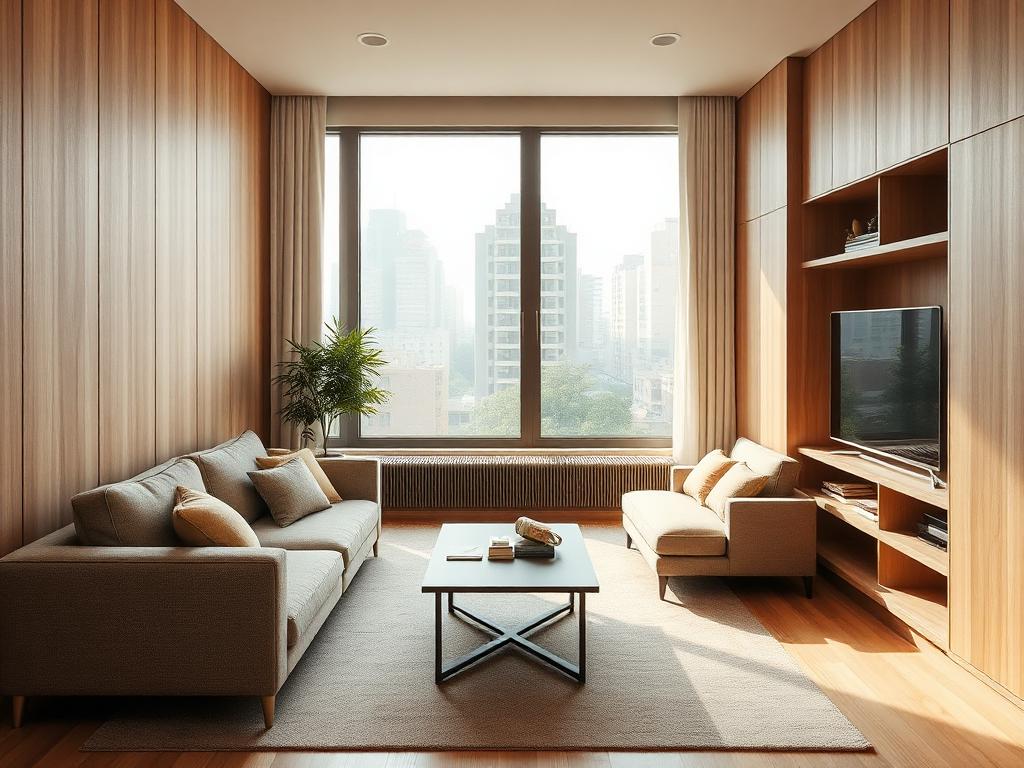
Urban Compact Living living room in an Indian home

01 · Room

Living Room

The room that carries the most functions: seating, entertainment, home office, dining, guest sleeping. Resolved through a built-in media and storage wall — full height, tight tonal palette — that accommodates the television, books, office equipment, and a fold-out desk behind one panel. The modular sofa provides seating and, in its extended configuration, a guest bed. The dining surface extends from the kitchen cabinetry or folds down from the wall.

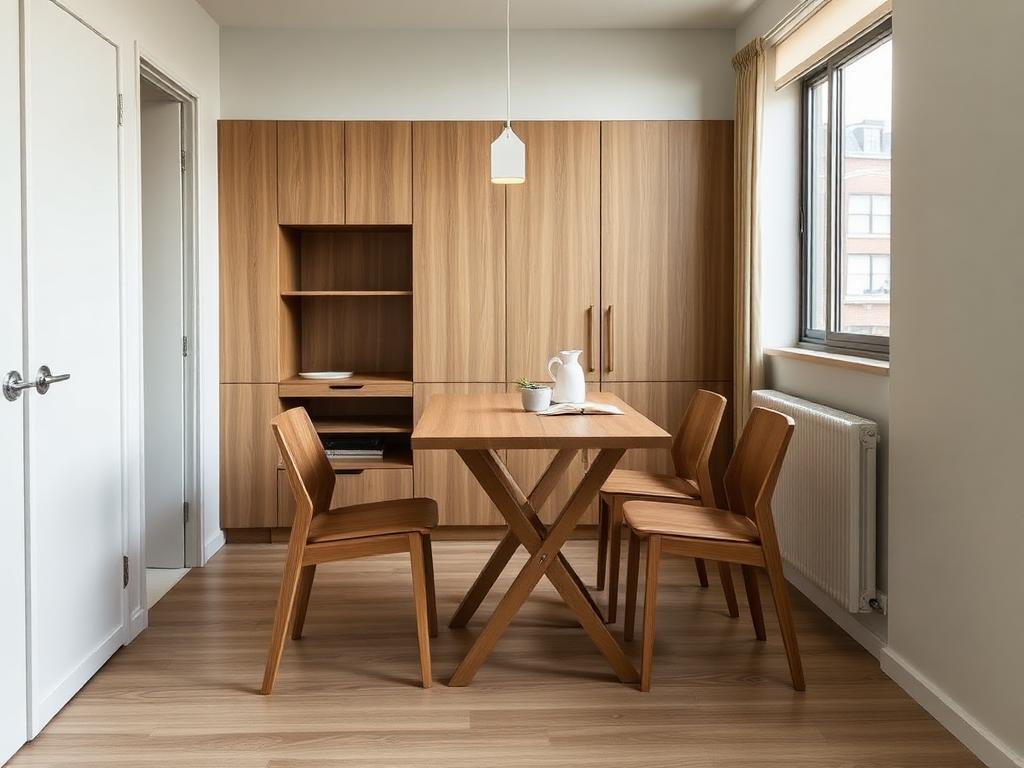
Urban Compact Living dining room in an Indian home

02 · Room

Dining Room

In most compact flats, there is no separate dining room. The dining function is resolved through a fold-down or pull-out surface from the kitchen island or the living room wall — providing a proper dining surface for daily meals and extending for guests. Stools or slim chairs that tuck fully under the surface when not in use.

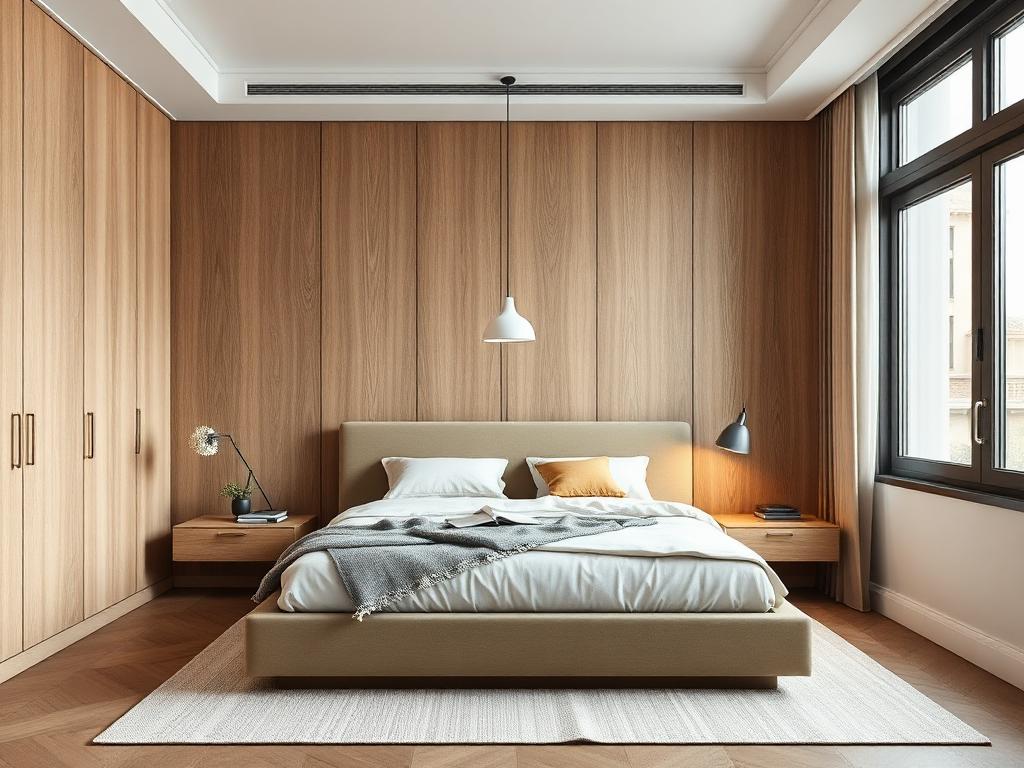
Urban Compact Living master bedroom in an Indian home

03 · Room

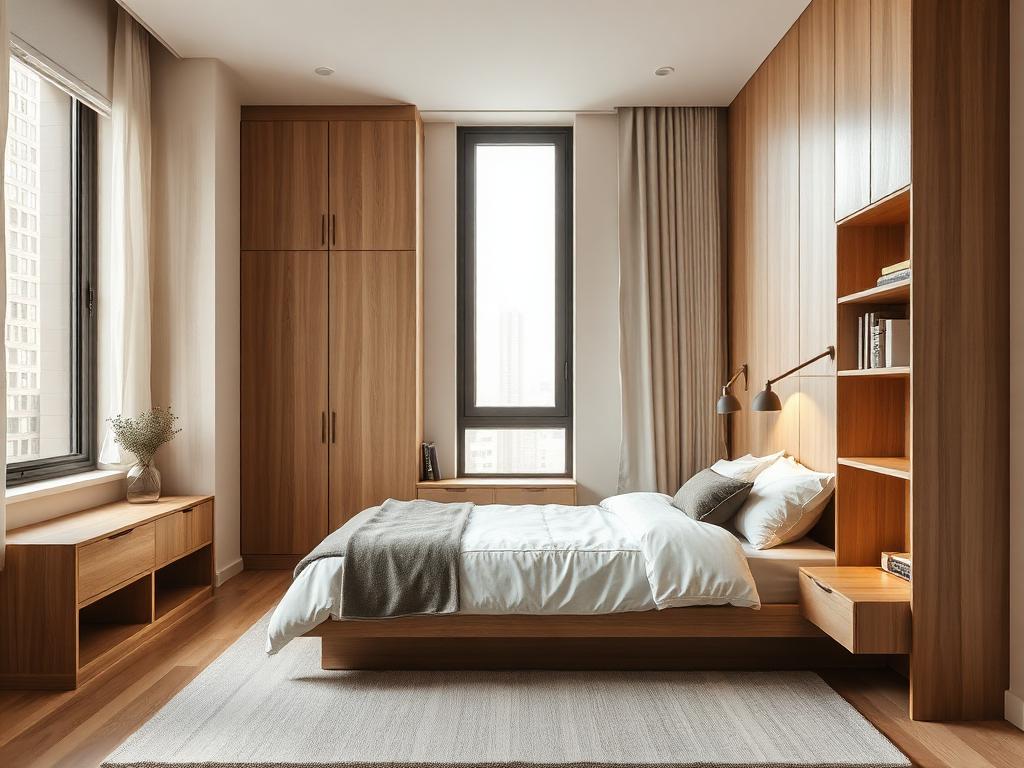
Master Bedroom

Floor-to-ceiling built-in wardrobes in the tight tonal palette, occupying the full width of one wall. A platform bed with built-in under-bed storage drawers — the under-bed volume is the most underused storage space in most compact flats. Wall-mounted bedside shelves rather than bedside tables, keeping the floor plane clear. A wall-mounted task light at reading height rather than a table lamp. The room feels like a sanctuary, not a storage room.

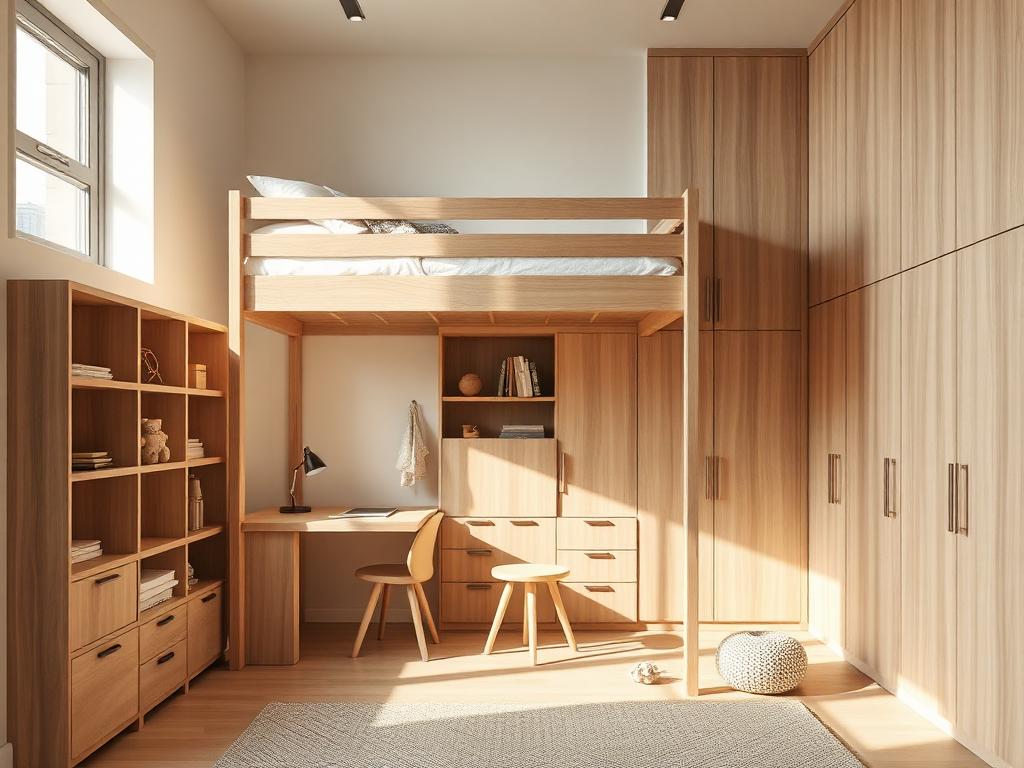
Urban Compact Living kids room in an Indian home

04 · Room

Kids Room

A mid-sleeper or high-sleeper bed with built-in desk and wardrobe below — the most space-efficient configuration for a child's room. The desk is at sitting height under the bed; the wardrobe occupies the remaining under-bed volume. The floor area below and beside the bed is entirely free. As the child grows, the mid-sleeper can be replaced and the under-bed space reconfigured.

Urban Compact Living parents room in an Indian home

05 · Room

Parents Room

The room most likely to be used infrequently enough to justify a wall bed — a bed that folds into a full-height wardrobe panel and disappears when not in use, leaving the room as a study or sitting room for daily use. Wall beds in the tight tonal palette of this aesthetic are visually indistinguishable from built-in wardrobes when closed.

Urban Compact Living study room in an Indian home

06 · Room

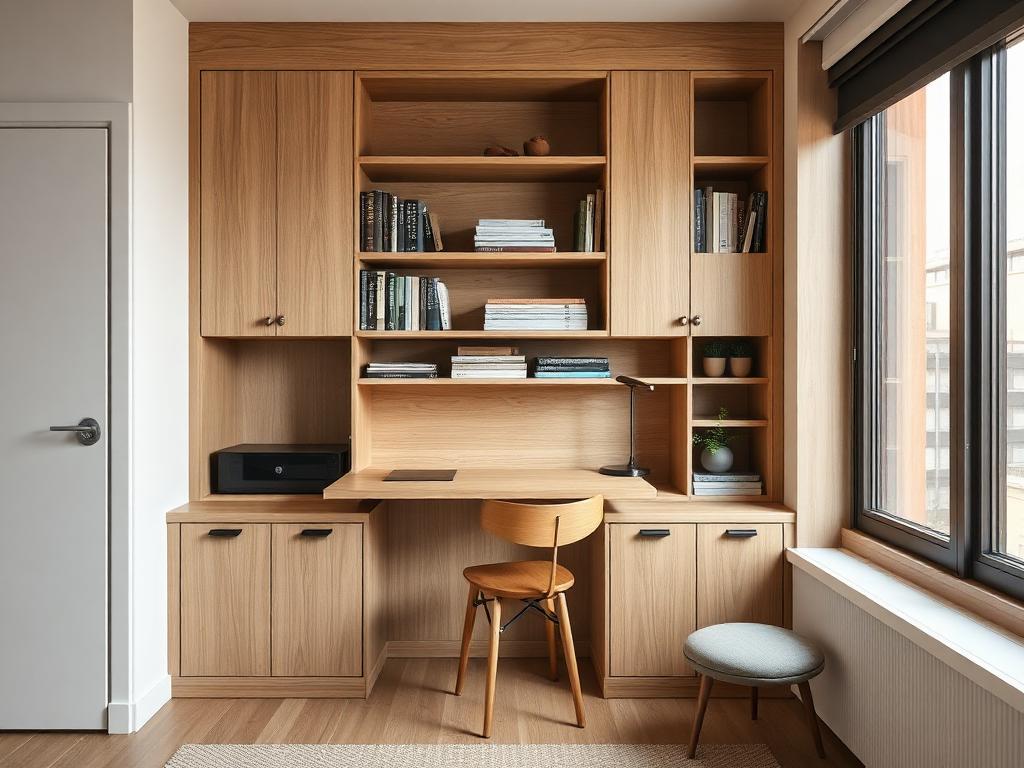
Study Room

Usually a corner of the living room or bedroom rather than a separate room. Resolved through a dedicated fold-out desk panel built into the living room storage wall or the bedroom wardrobe — a proper desk surface, at sitting height, with a monitor arm and cable management built in, that closes completely when the workday ends. Closing the office at day's end is a significant quality-of-life benefit.

Urban Compact Living wash room in an Indian home

07 · Room

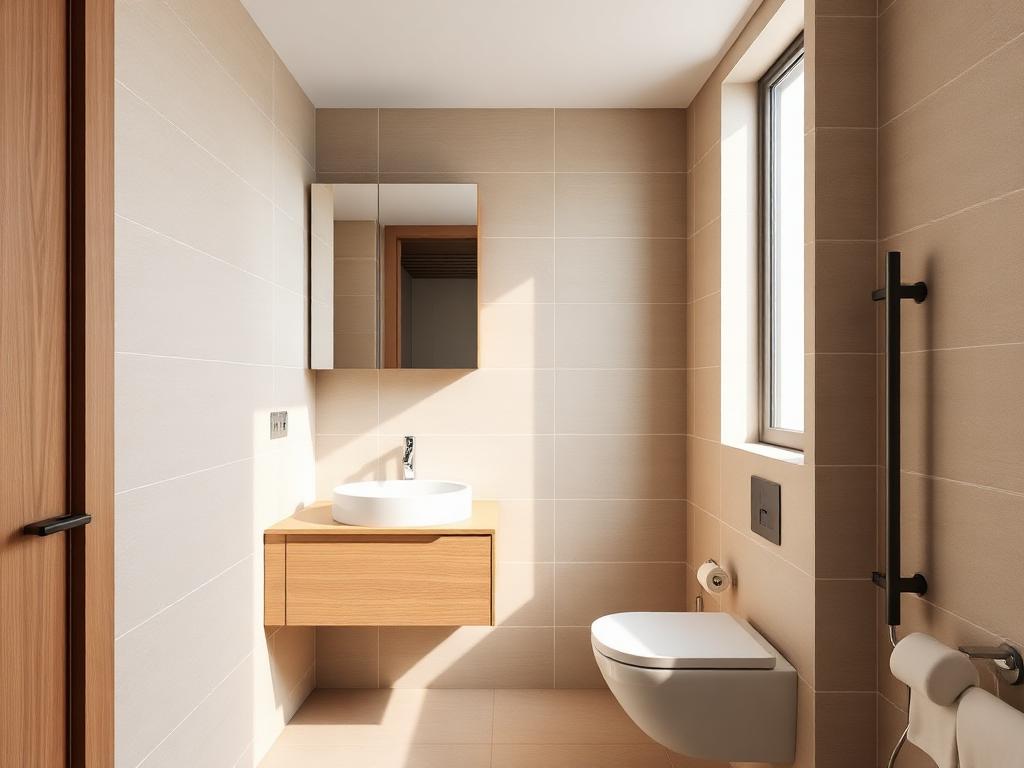
Wash Room

The compact bathroom benefits from the same discipline. A wall-hung vanity — not floor-standing — keeps the floor plane visible and the bathroom feeling larger. A recessed niche in the shower wall for products rather than a separate shelf or caddy. A large-format tile in light tones, running continuously from floor to wall without a border. A frameless shower enclosure or a wall-to-wall shower curtain rather than a framed cubicle.

Urban Compact Living balcony in an Indian home

08 · Room

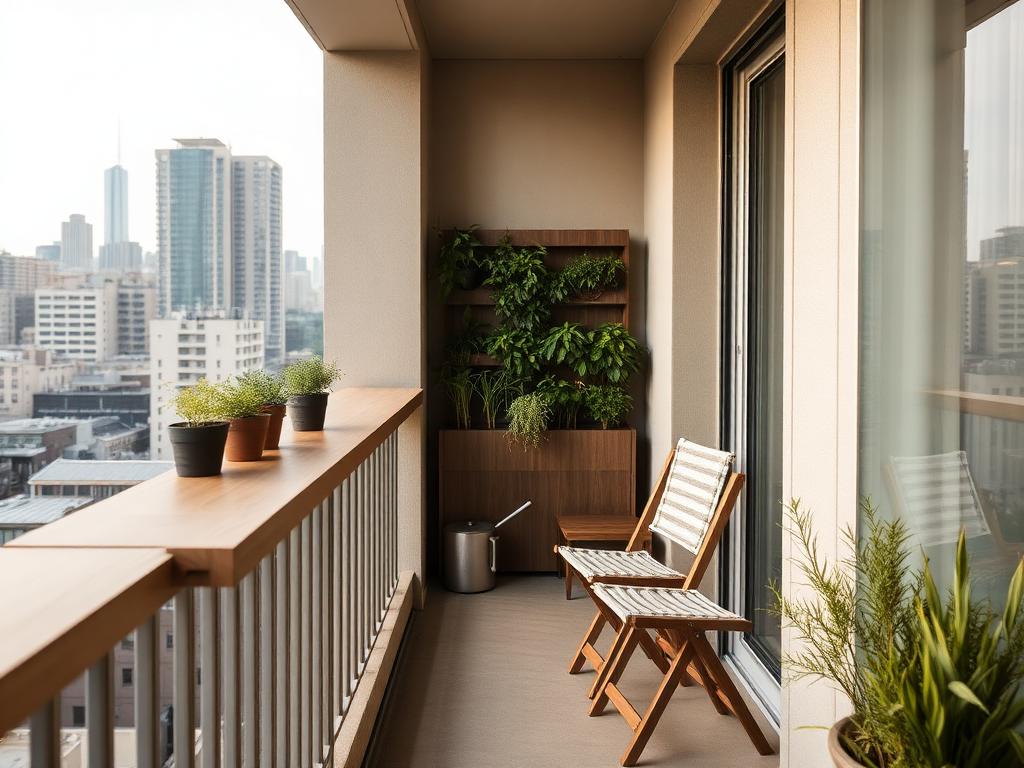
Balcony

Often the square footage that is most wasted. Urban Compact Living treats it as a room: a narrow built-in bench along one wall, fold-away chairs, a small fold-down table, and a vertical plant wall if the structure allows. The balcony becomes the outdoor room the flat does not otherwise have.

Every space is tailored to your home, your light and how you actually live.

One way to think about your home

Urban Compact Living resonates with households who want a smaller home to work as hard as a larger one — who understand that the constraint of square footage, taken seriously from the first design decision, can produce a home that feels more resolved than many larger ones. If you have been living around the limitations of a compact flat rather than designing for them, this aesthetic is the starting point for a different approach.

It is one of the reference points on our site, not a menu item. Your design direction comes from the G.R.I.N. process.

Not sure which style is yours?

The G.R.I.N. Process begins with a conversation — not a questionnaire.

We talk about how you actually use your home, what you want to feel when you walk in the door, and what has and hasn't worked in spaces you have lived in before. From there, we recommend a direction — Urban Compact Living, a blend, or something else entirely.

Frequently asked

Urban Compact Living, answered

How small is too small for this aesthetic?

There is no floor area below which Urban Compact Living stops working — the discipline scales down. A studio apartment of 400 sq ft benefits from exactly the same principles as a 2BHK of 900 sq ft, applied at a proportionally smaller scale. The discovery call assesses your specific floor plan and what is achievable within it.

Do fold-away surfaces and wall beds feel like a compromise?

Only when poorly specified. A well-built fold-down desk with a cable management system and a proper desk surface does not feel like a fold-away item — it feels like a desk. The same is true of wall beds with a proper mattress and mechanism. The quality of the hardware and the precision of the joinery is what separates a compromise from a solution.

Is the tight tonal palette boring to live with?

The palette is tonal, not monotone. Texture — the grain of the joinery, the weave of the upholstery, the finish of the wall — provides visual interest within a restrained colour range. The effect is calm rather than boring, and it makes the space feel larger. Accent colour can be introduced through textiles — cushions, a rug, curtains — without disrupting the spatial logic.

How does this aesthetic handle a family that needs to store a lot?

Through built-in storage designed from the outset for the household's actual storage requirements. Before any furniture is placed, we catalogue what needs to be stored — clothes, kitchen equipment, children's toys, sports equipment, office supplies — and build the storage solution around that catalogue. The result is storage that is sufficient and invisible.

Can this aesthetic work in a larger flat?

Yes — the discipline of Urban Compact Living improves any home, regardless of floor area. A larger flat that applies the same logic — built-in storage, multi-use surfaces, tight tonal palette, clear floor plane — will feel significantly more resolved than one that fills its space with loose furniture.

You may also like

Related styles

WhatsApp Call